-
 Sweden
 -
 Netherlands/Finland
 -
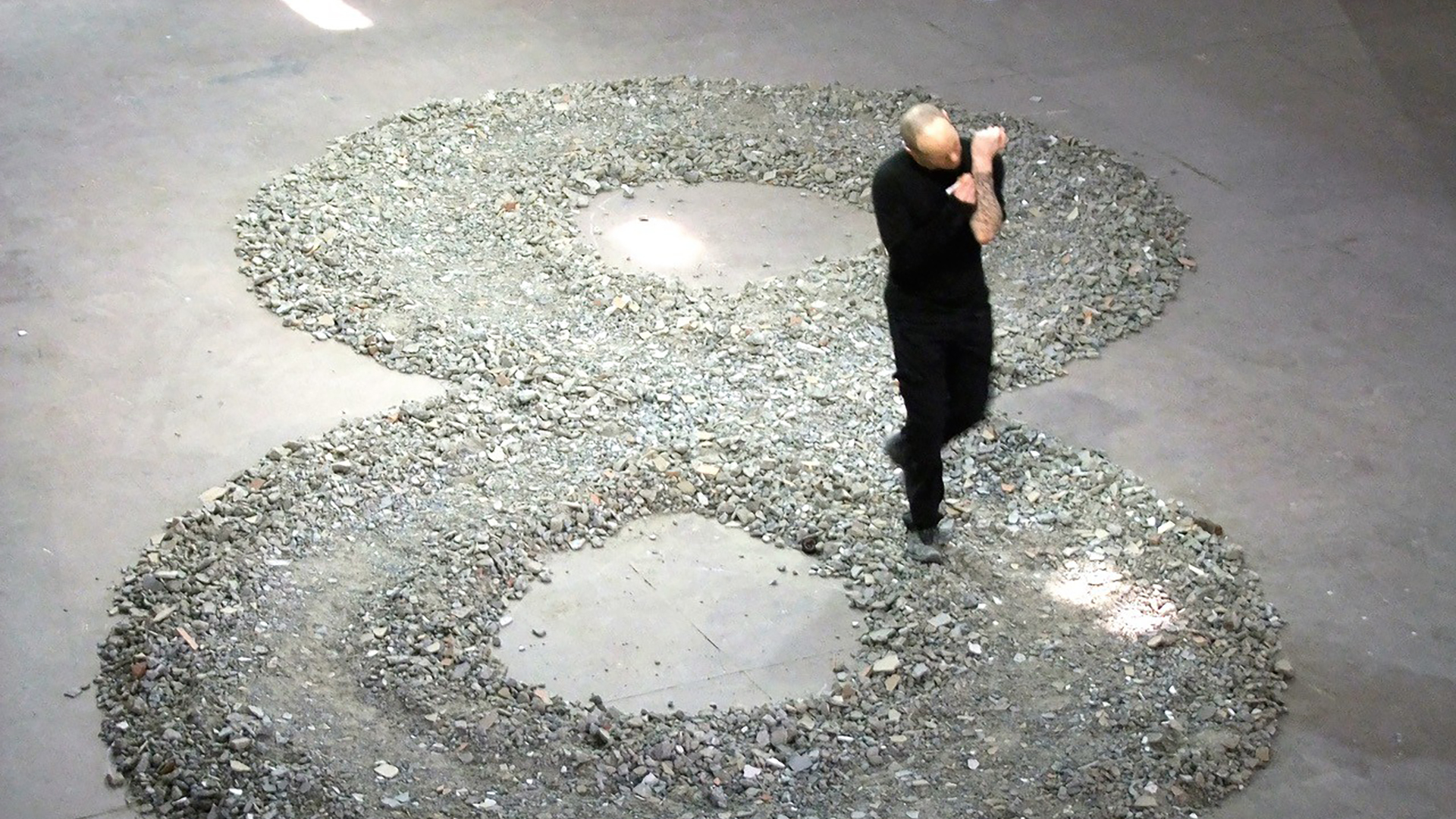 UK/Finland
 -
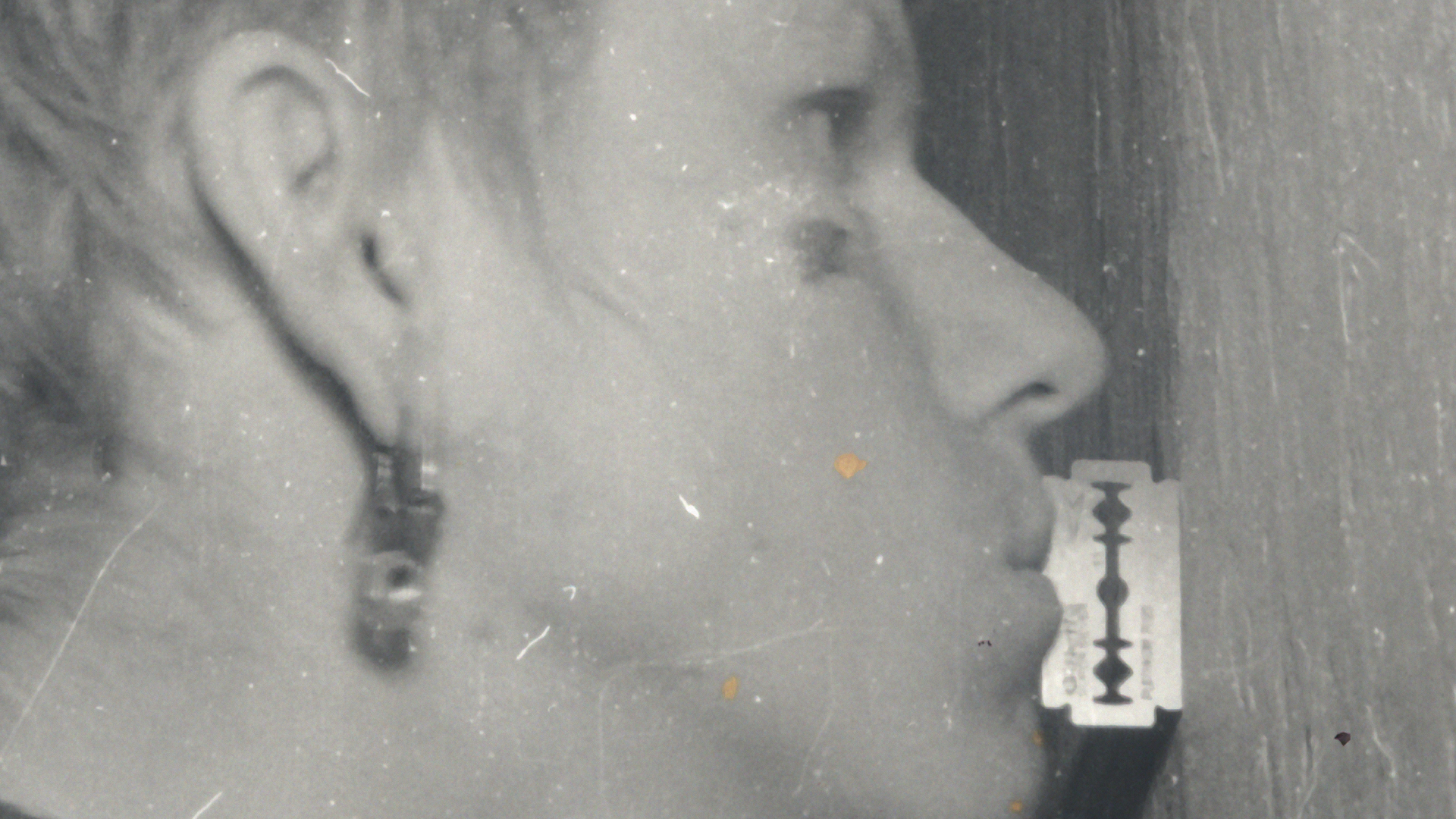 Belgium
 -
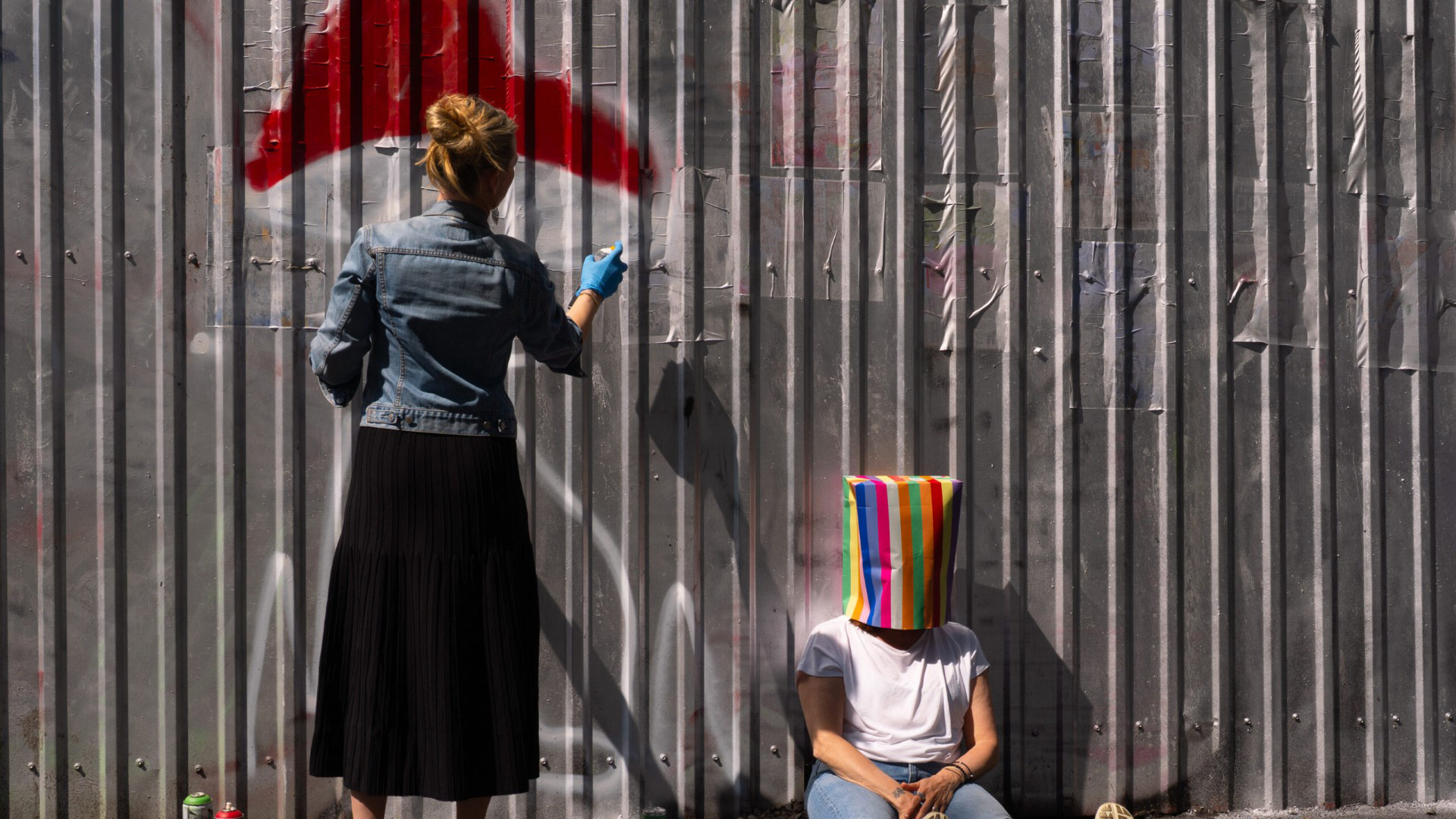 Brazil/Sweden
 -
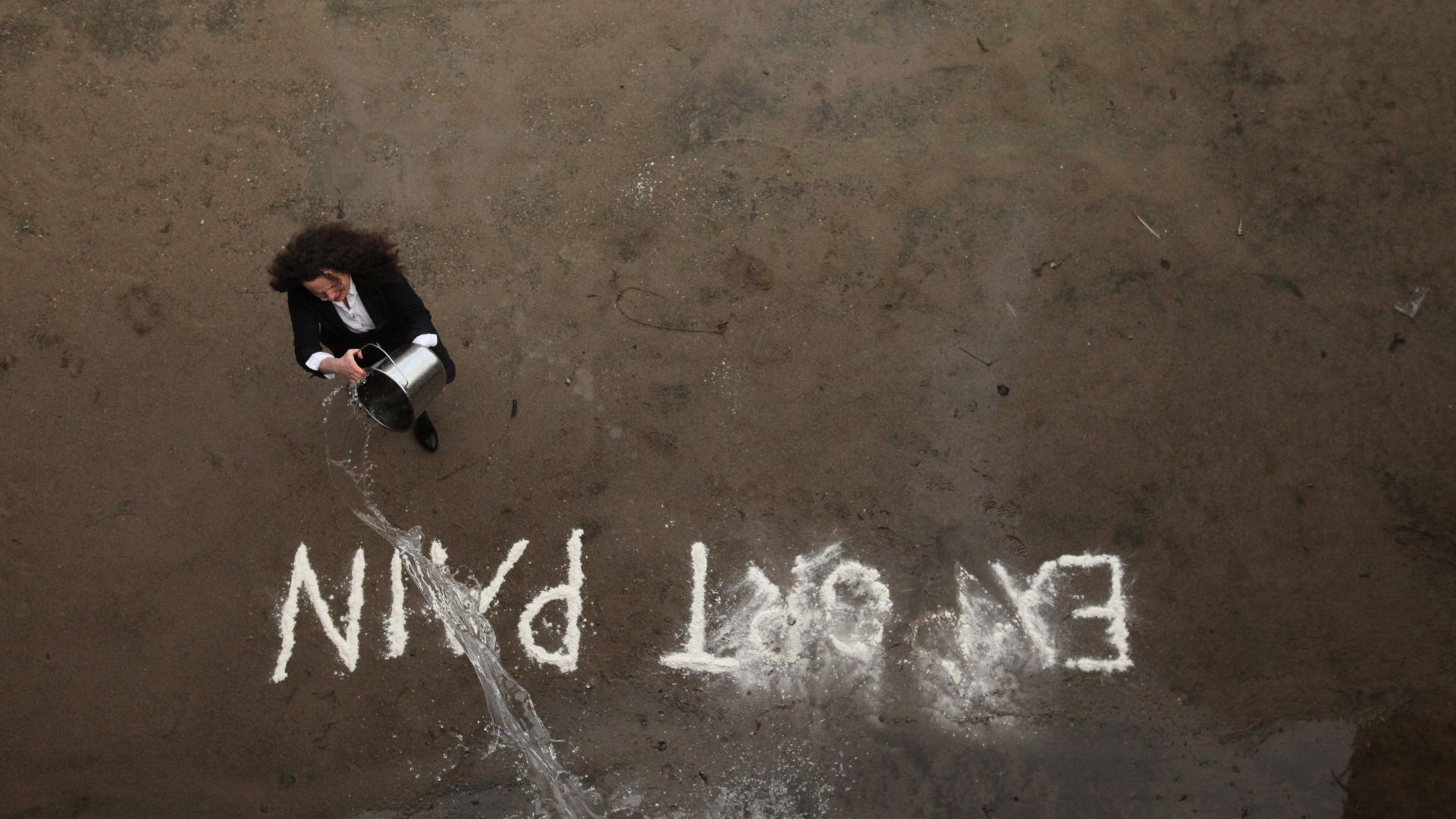 Ireland
 -
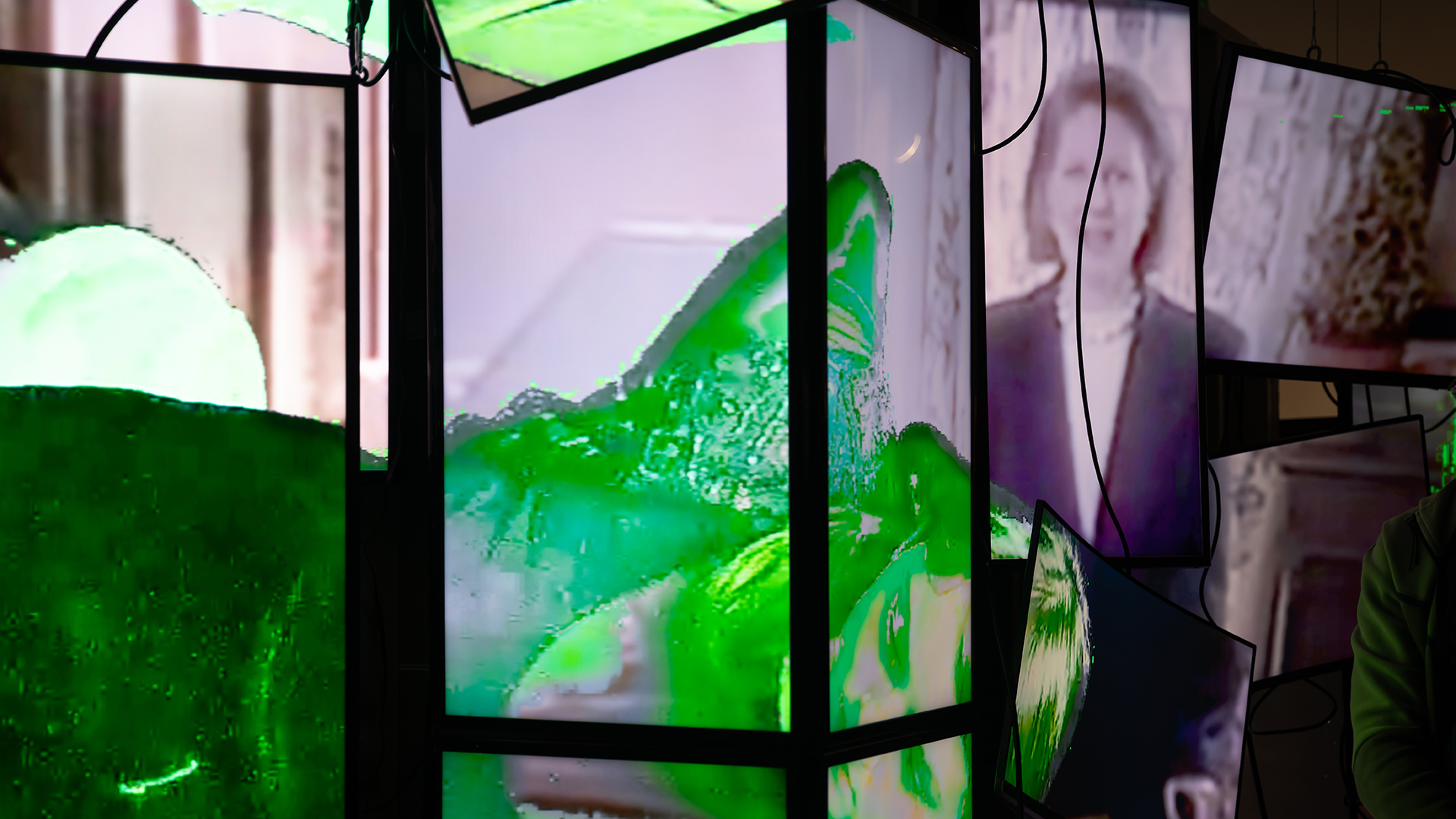 Canada
 -
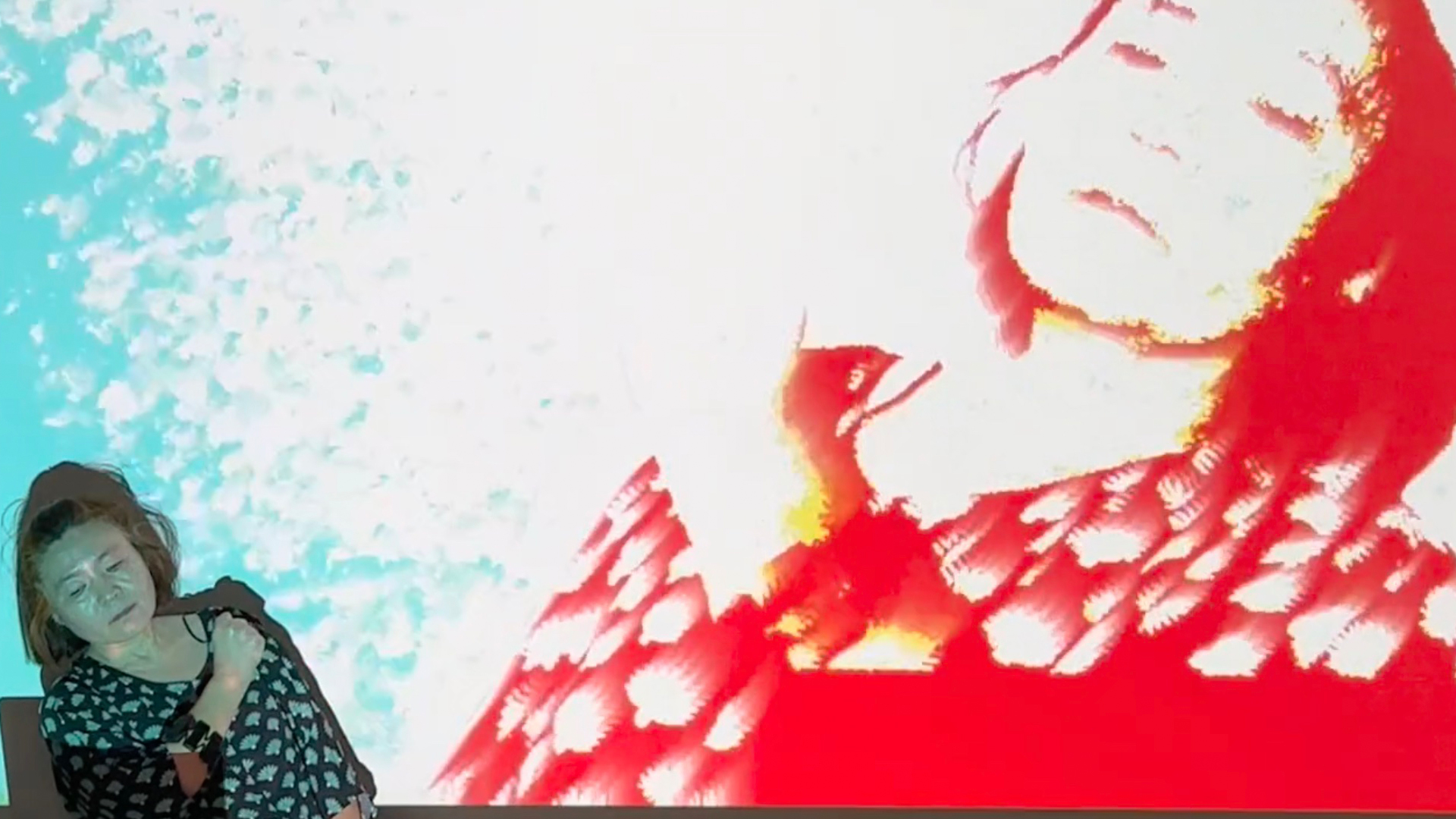 Japan/Sweden
 -
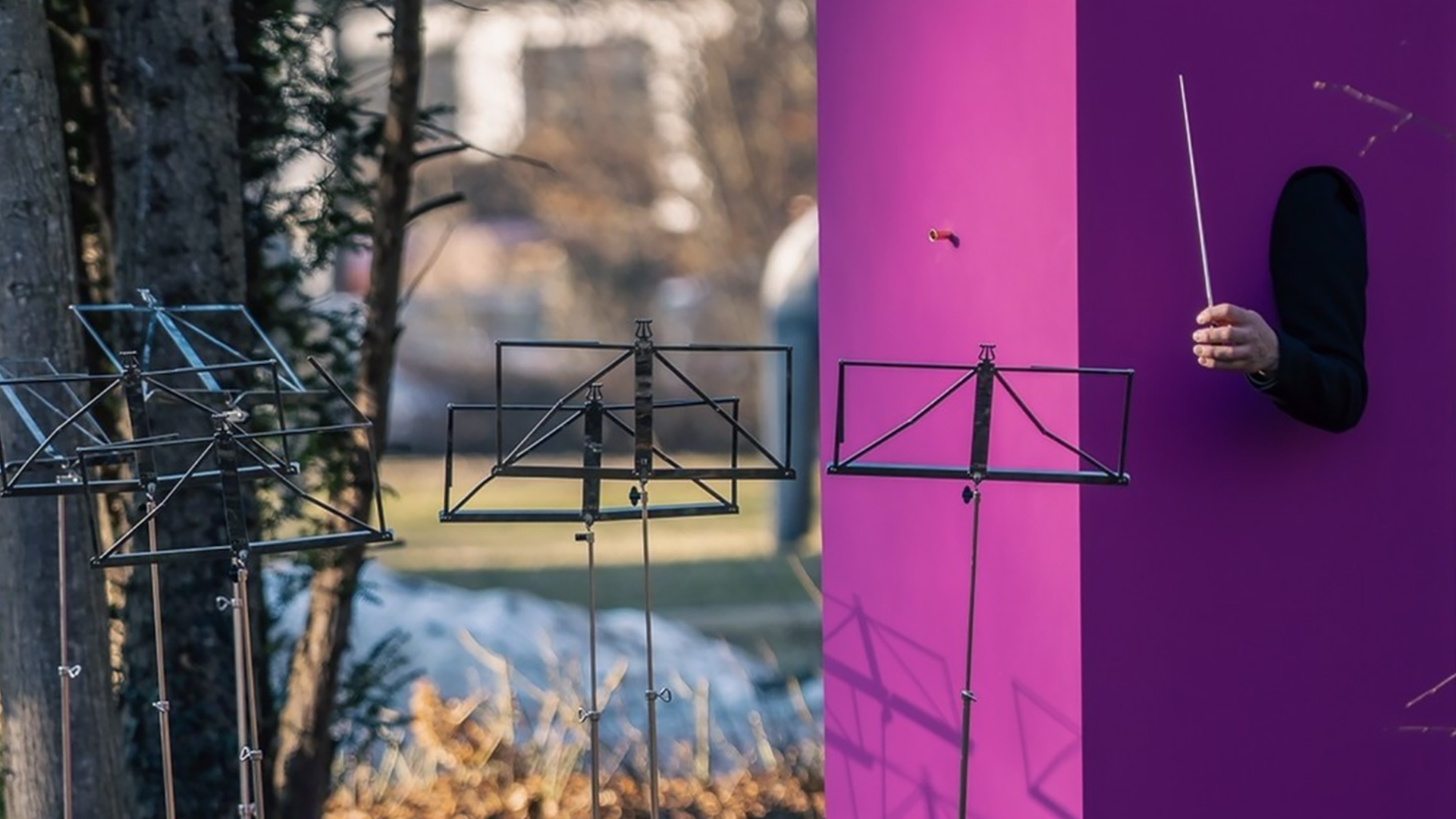 Iceland/Finland
 -
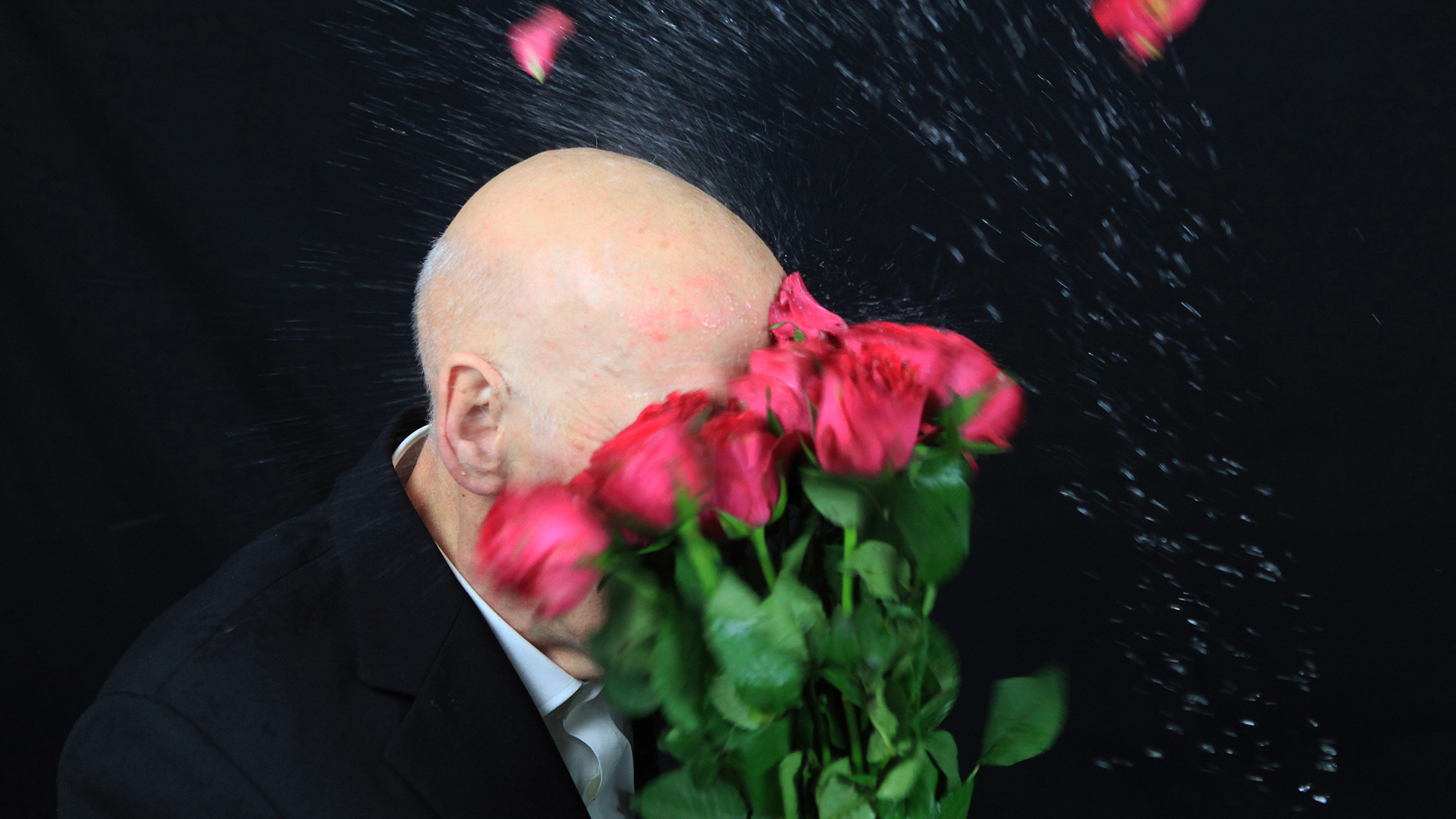 UK/Ireland
 -
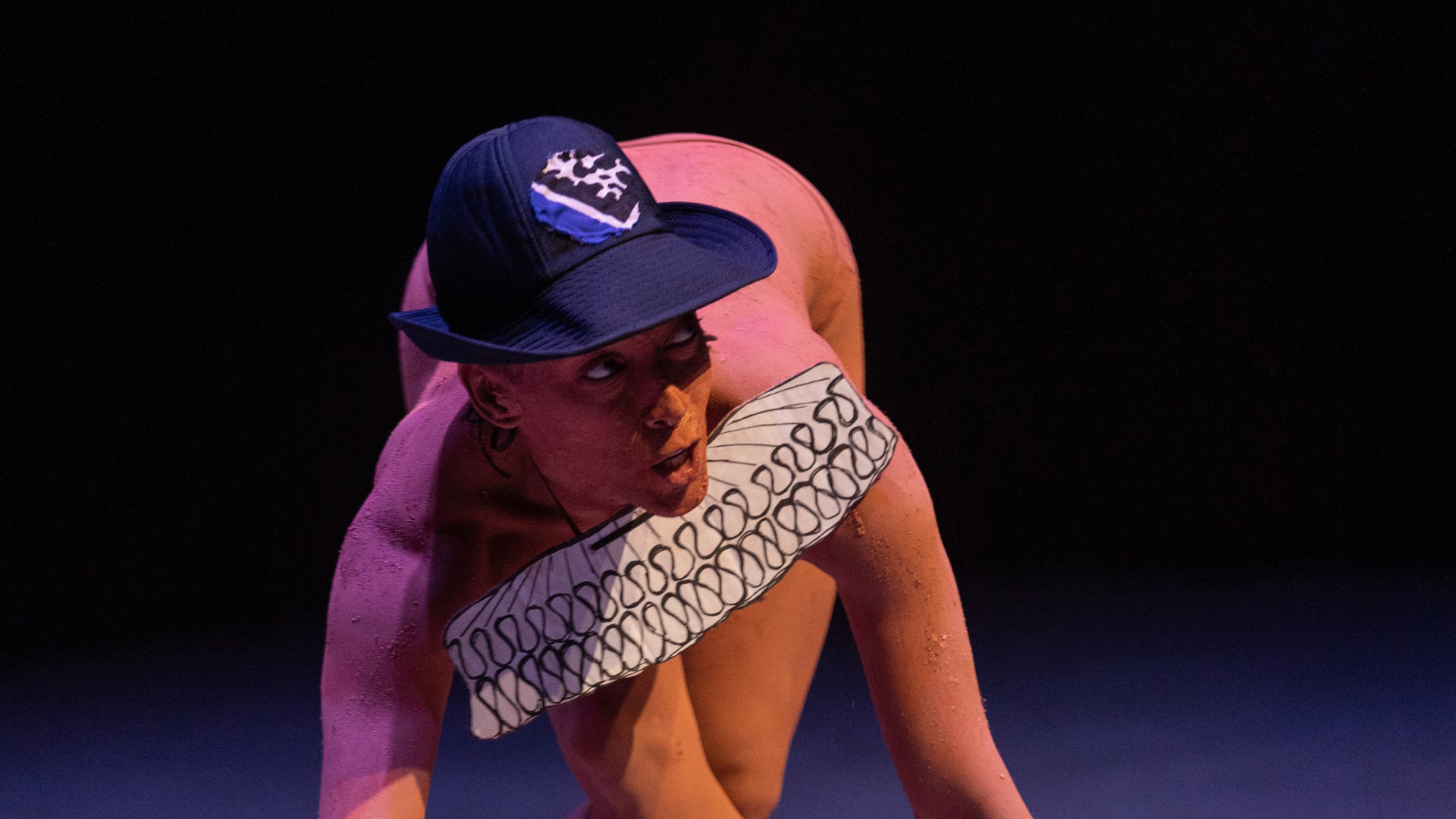 South Africa
 -
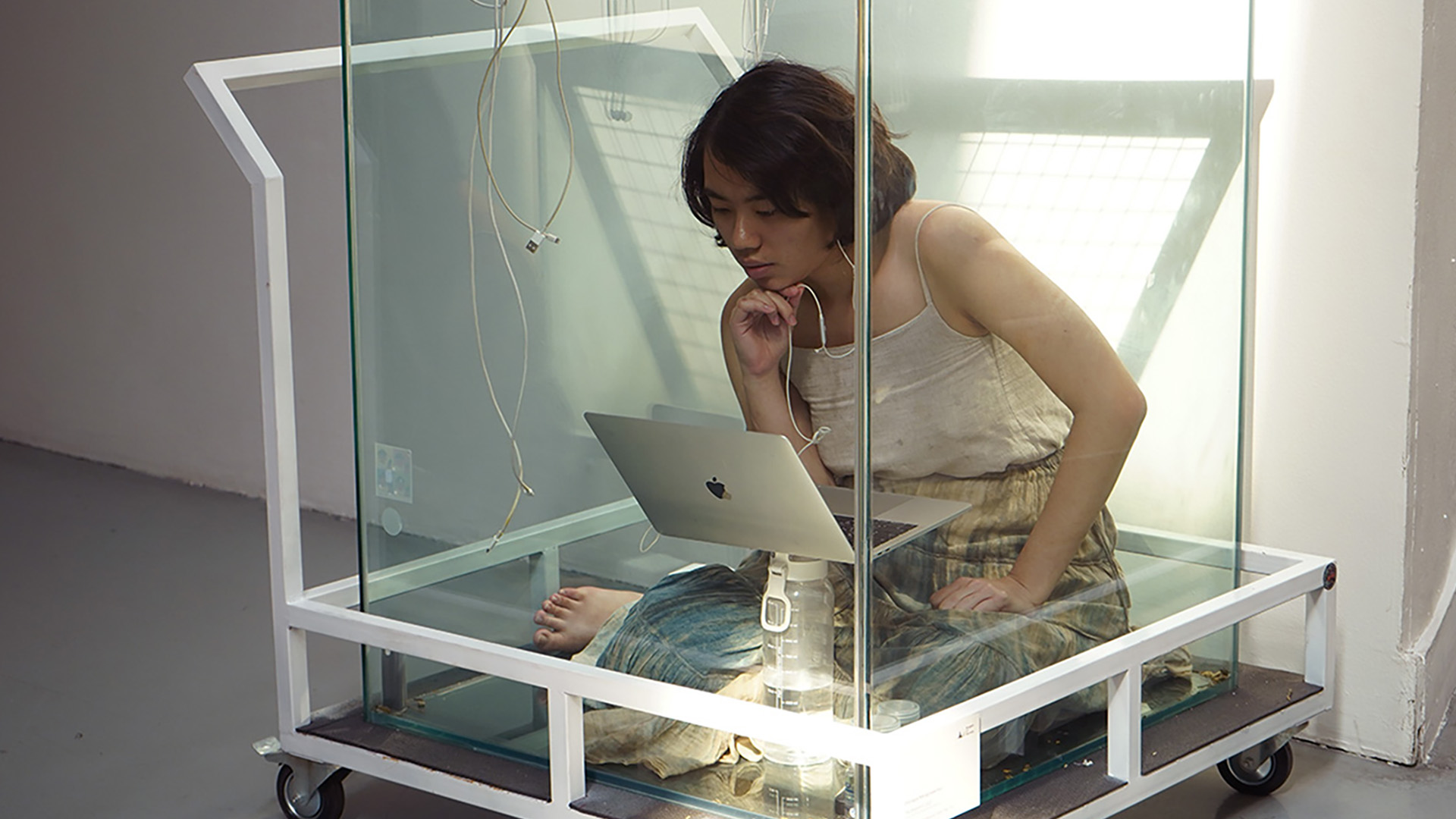 Thailand
Live Action 21 – After Auschwitz
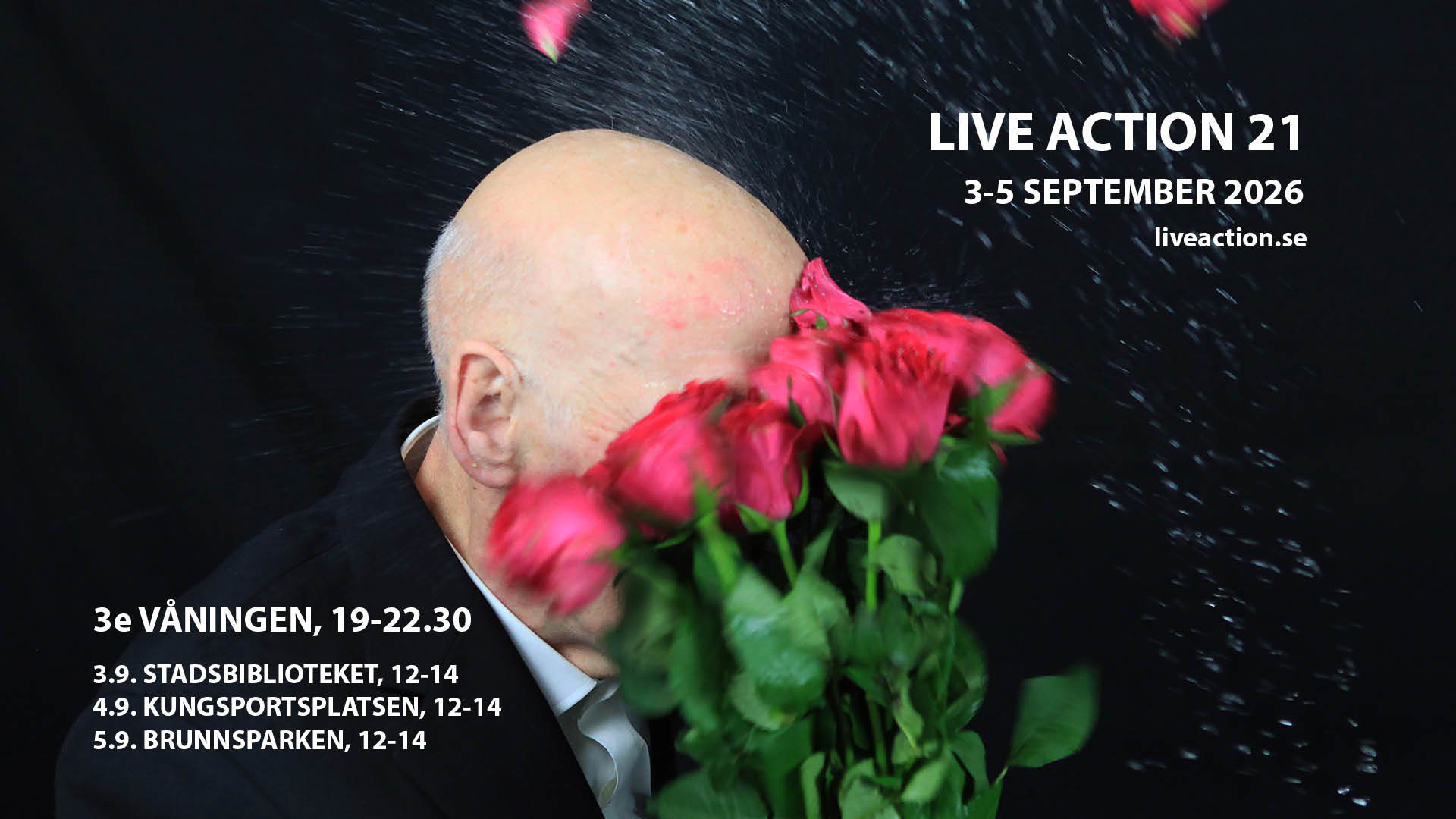
The theme of the twenty-first edition of Live Action is After Auschwitz. Few historical events have shaped our understanding of humanity more profoundly than the Holocaust. Auschwitz is not only a historical place but a moral reference point that continues to challenge our understanding of violence, responsibility, memory and human dignity. As Theodor W. Adorno famously observed, the question is not simply how art is possible after Auschwitz, but how culture itself can continue after such a rupture. The question is therefore no longer simply what happened there, but what it means to live, create and think after it.
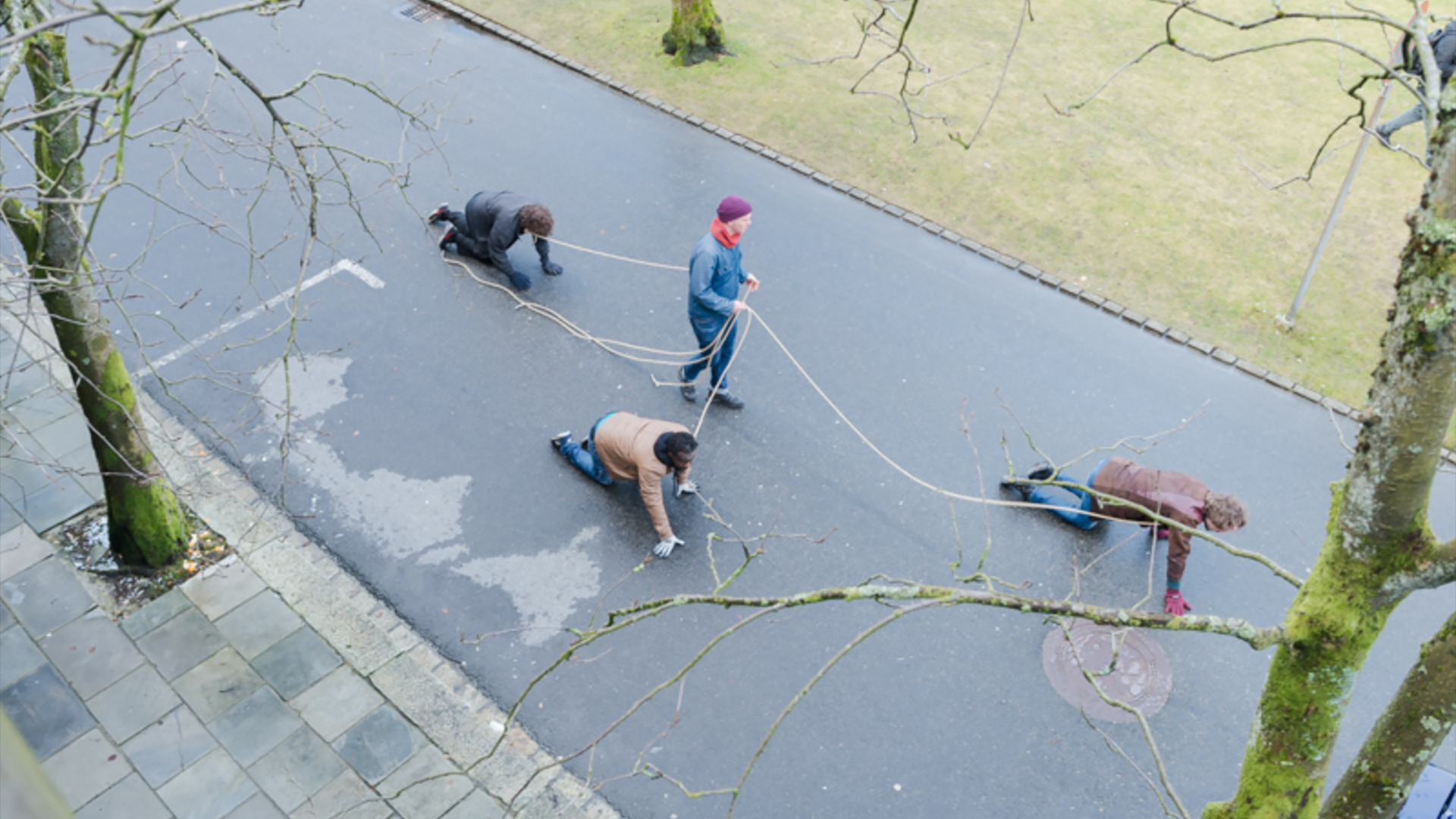
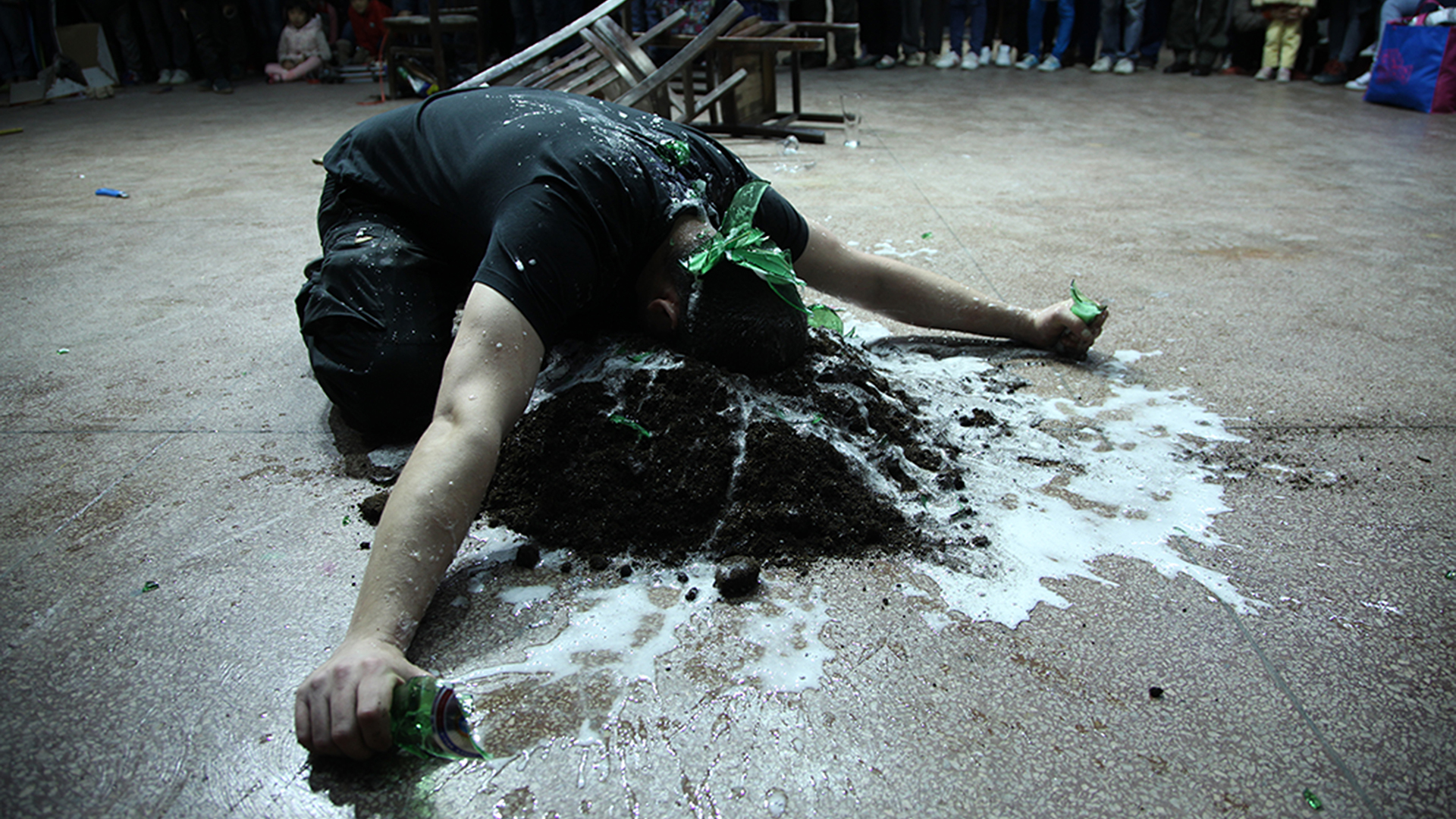
Performance art occupies a unique position within this reflection. Working through the presence of the living body, it confronts questions that cannot easily be answered through representation alone. It creates situations rather than representations, inviting audiences into direct encounters with vulnerability, empathy and ethical awareness.
As in previous years, Live Action presents an international programme bringing together artists from different generations, cultures and artistic practices. Their works unfold both in the public spaces of Gothenburg through Common Ground and in the evening programme at 3:e Våningen, continuing the festival’s long-standing commitment to making contemporary performance art freely accessible to everyone.
The festival’s international activities continue to expand through Live Action Xchange, a long-term exchange programme built on reciprocal partnerships with international performance art festivals. Following its first exchange with VIVA! Art Action in Montréal in 2025, the programme now also includes partnerships with RIAP in Québec City, ICA Live Art in Cape Town, and Asiatopia in Bangkok. Through these ongoing exchanges, new international opportunities are created for artists working in Sweden, while introducing international artistic practices to Swedish audiences.
Since its foundation in 2006, Live Action has been guided by the principle of cultural democracy: that contemporary art should be visible beyond the walls of museums and galleries, reaching audiences where everyday life unfolds. By combining public space with the intimacy of the performance venue, the festival creates opportunities for unexpected encounters between artists, artworks and citizens.
Live Action remains committed to artistic excellence, international dialogue and gender equality, presenting performance art as a vital form of contemporary cultural expression. In a time marked by increasing polarization, conflict and uncertainty, the festival continues to affirm the importance of artistic freedom, critical reflection and the shared human experience of presence.
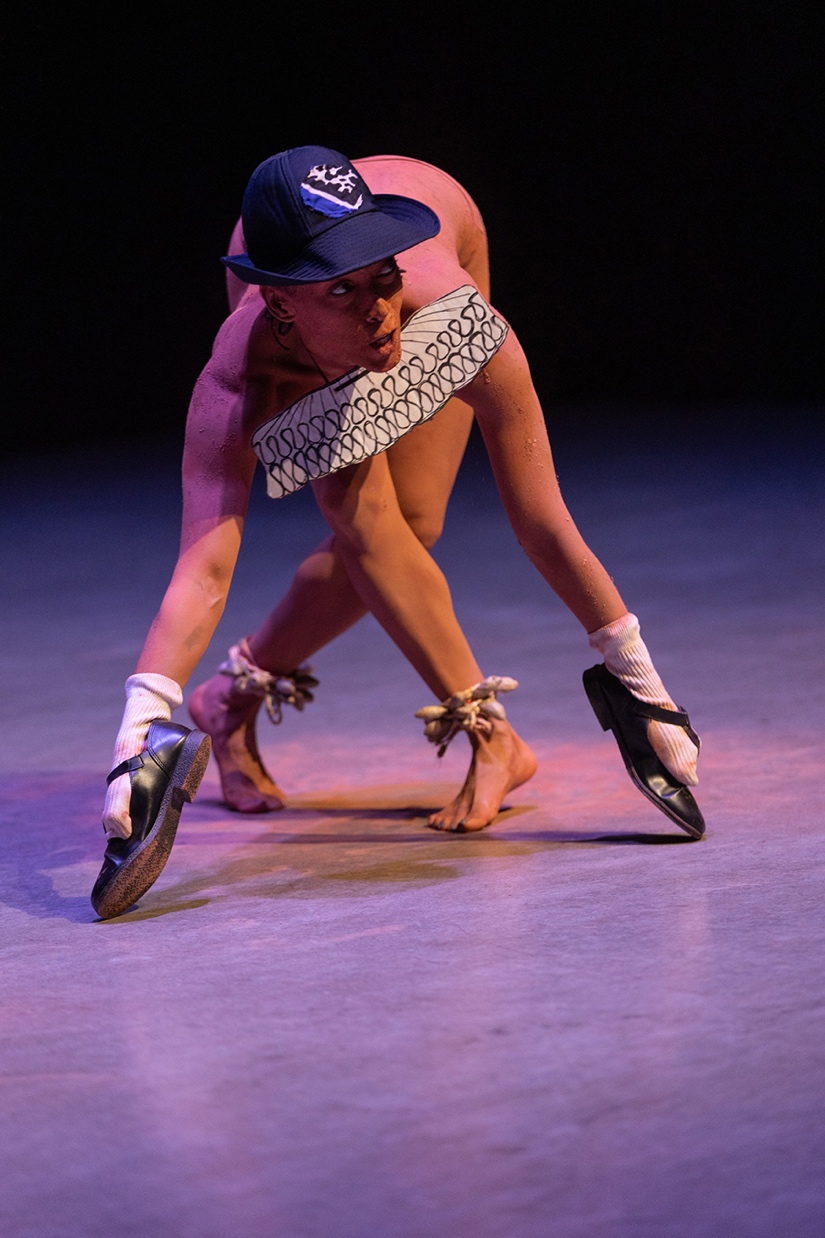
THEME. Courtesy the artist.